
“How inappropriate to call this planet Earth, when it is clearly Ocean.” Arthur C. Clarke
2026 has already been one for the records. In the western US, the lowest snowpack on record in many sub-basins of the Colorado River. A week of 80˚ F days in March in Colorado’s high country left May and June with some of the lowest rivers in history. A withering snowpack that threatens to crash Lake Powell, the nation’s second largest man-made reservoir to a level that prevents hydroelectric generation (it sits today at 23.5% of capacity), while the largest of the reservoirs on the Colorado, Lake Mead, faces the same fate at just 35% of capacity. One consequence: Arizona faces up to 77% cut of its entitlements from the Colorado River.
The top ten hottest years of record for our Earth have occurred, you guessed it, in the last ten. A recent report from the European Centre for Medium-Range Weather Forecasts (ECMWF) confirmed what the NOAA sea-buoys have reported. The Pacific surface temperatures in the El Niño Southern Oscillation zone that stretches from the central Pacific to the coast of central and South America are projected to rise 5.4˚ F above average by December. Some projections are 25% higher.
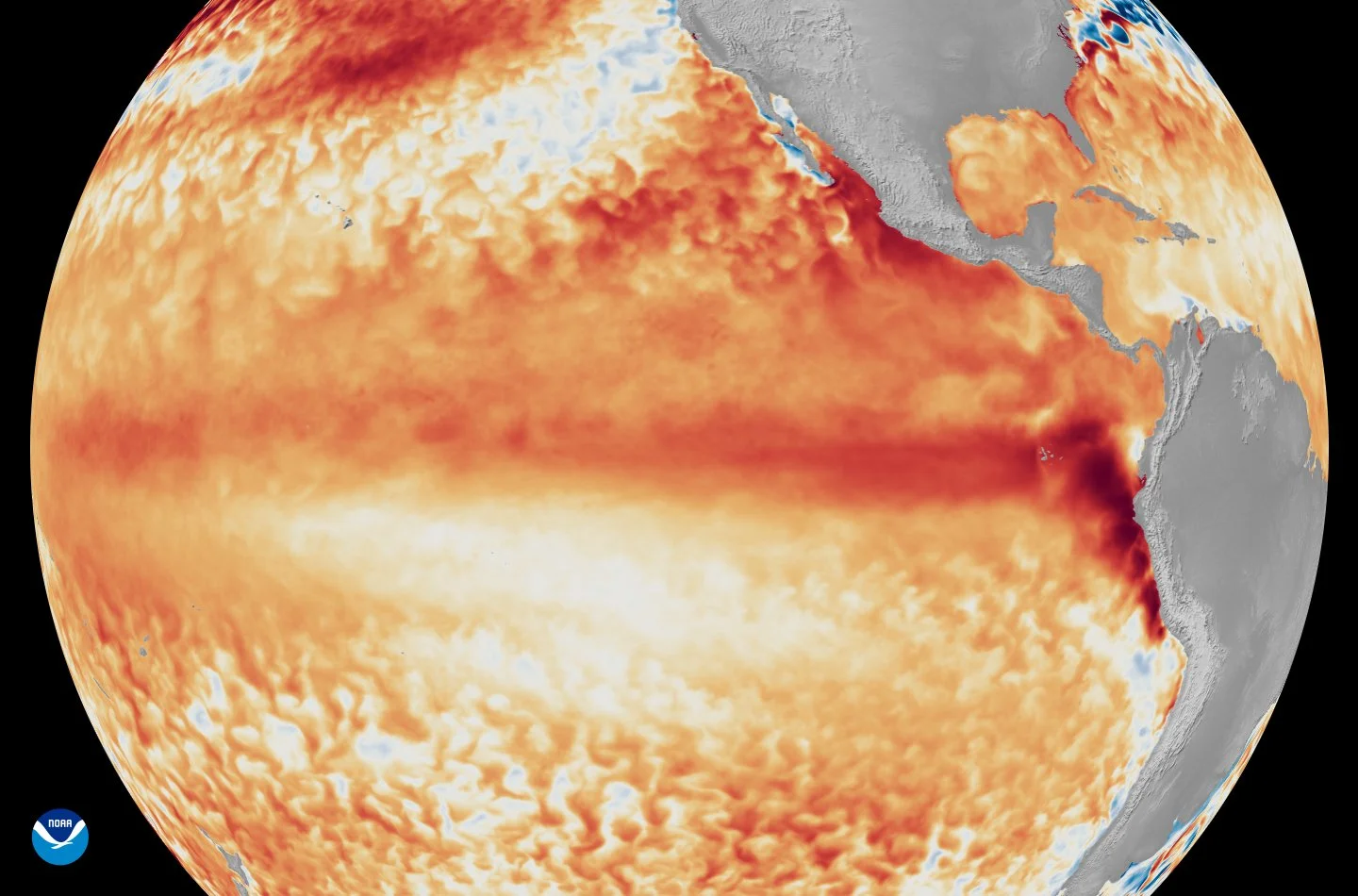
Photo Credit: NOAA Satellite Imagery
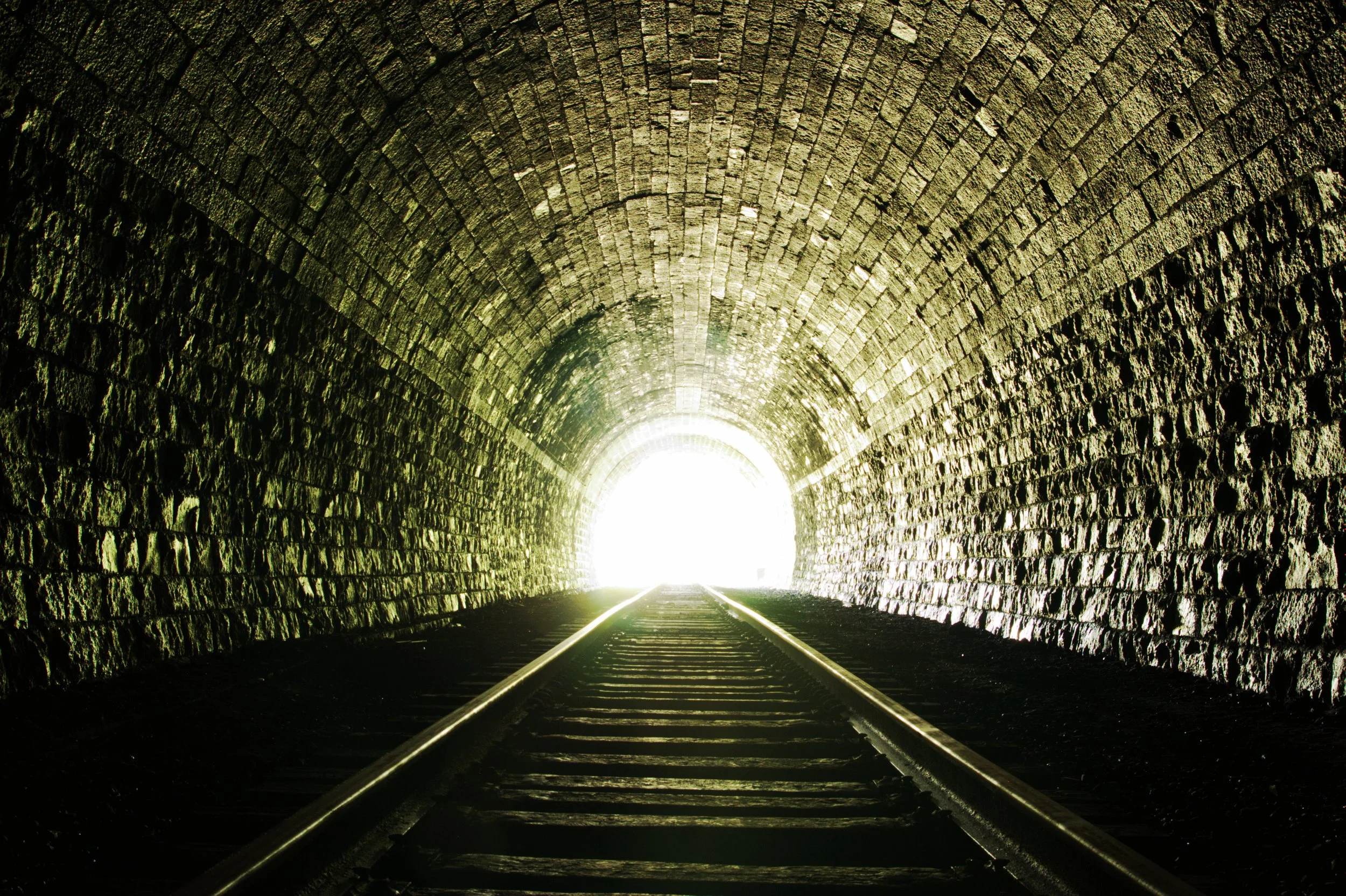
Water planners, farmers, ranchers, and wildfire responders in the western U.S. are seeing a light at the end of the tunnel with projections of a cooler and wetter late summer and fall. But too often, that light at the end of the tunnel turns out to be a train barreling toward you. The fear of many is that this El Niño will not bring meaningful relief but will be more akin to throwing lighter fluid on a world already on fire.
Bear with me if you heard this before from me. Heat is energy. The warmer the atmosphere, the more energy in the atmosphere. A super-charged atmosphere results in stronger storms and wilder swings between drought and storms. A strong El Niño is disruptive: The typical pattern is extreme drought in areas like the US Northwest, Australia, southern Africa, and Indonesia while other areas like the southern U.S., South America and North Africa face extreme precipitation events. Why? A significant part of that excess heat stored in the sea is released, raising the temperature of the patient, and remember, the last ten years have been the hottest ten years on record for the Earth.
Buckle up.