
2026 is simply unprecedented in terms of water supply. Mid-80 degree temperatures at high elevations in the Colorado Rockies in March. It’s never happened, and in March elevations above 7,000’ have seen weeks of 70-85 degree days. Eighties are temperatures usually reserved for a few days in July and August. The entire month of March has been dry and warm, too warm. The long term NOAA forecast isn’t any better.
Colorado’s nickname is the Mother of Rivers. Snow in the Rockies isn’t just about winter sports, pristine camping, and fly fishing scenes found in the movies. The Rockies capture snowpack that melts throughout the year birthing major rivers like the Colorado, Arkansas, Platte, Republican, and Rio Grande. Colorado’s snowpack is crucial to over 40 million people across the West.
For those in the west, snowpack is a common term everyone in the West follows. To the farmer, cattleman, or resort worker it’s economic security. To the wildfire responders, it’s a harbinger. So where are we as we end what was supposed to be the snowiest month in the Rockies?
Snowpack and water content monitoring as of this writing are at historical lows. Some basins are at as little as 7% of normal. The Colorado headwaters are hovering at around 33% of normal, a historical low. The Gunnison is less, at 21% and the Rio Grande in Colorado is just 16%. Utah is no better. In fact, several basins in Utah are between 11% and 29% of mean. One is recorded at 0% of normal, which is hard to comprehend. The Little Colorado in Arizona is 14% and the Salt Basin (which supplies Phoenix and its suburbs) is at 5%.
A small minority say, wild swings between wet and dry years are normal. It used to be. Heavy and light snow years were a normal climactic pattern. The droughts of 1954 and 1977 compelled ski areas to install snowmaking and water planners to change strategies. The heavy snow years of 1921, 1971, 1972, and 1981 were epic, exceeding 400 inches of snow in Colorado. In the last 26 years, we have seen 19 dry years, five years being among the driest in history. Dendrochronology (the science of tree rings) reveals the period between 2000-2026 has been the driest period in the last 1,200 years. In the same period, temperatures have risen in the Rockies by an average of 2˚F. That may not sound like much but until you understand that the amount of energy required to create that increase equates to eight times the total energy consumed by every human on the planet in a year. Heat is energy and increased atmospheric energy results in stronger storms and more severe droughts.
As a water attorney, people ask me what they should do. There are proactive steps, each being unique to the needs and resources of the water user, but for most, it’s too late. Those with senior water rights on side tributaries may see curtailments and reductions they have never seen due to the simple fact the streams are dry. Those with senior water rights on major rivers will likely be fine. Those without senior water rights will very likely experience a summer unlike anything they have experienced.
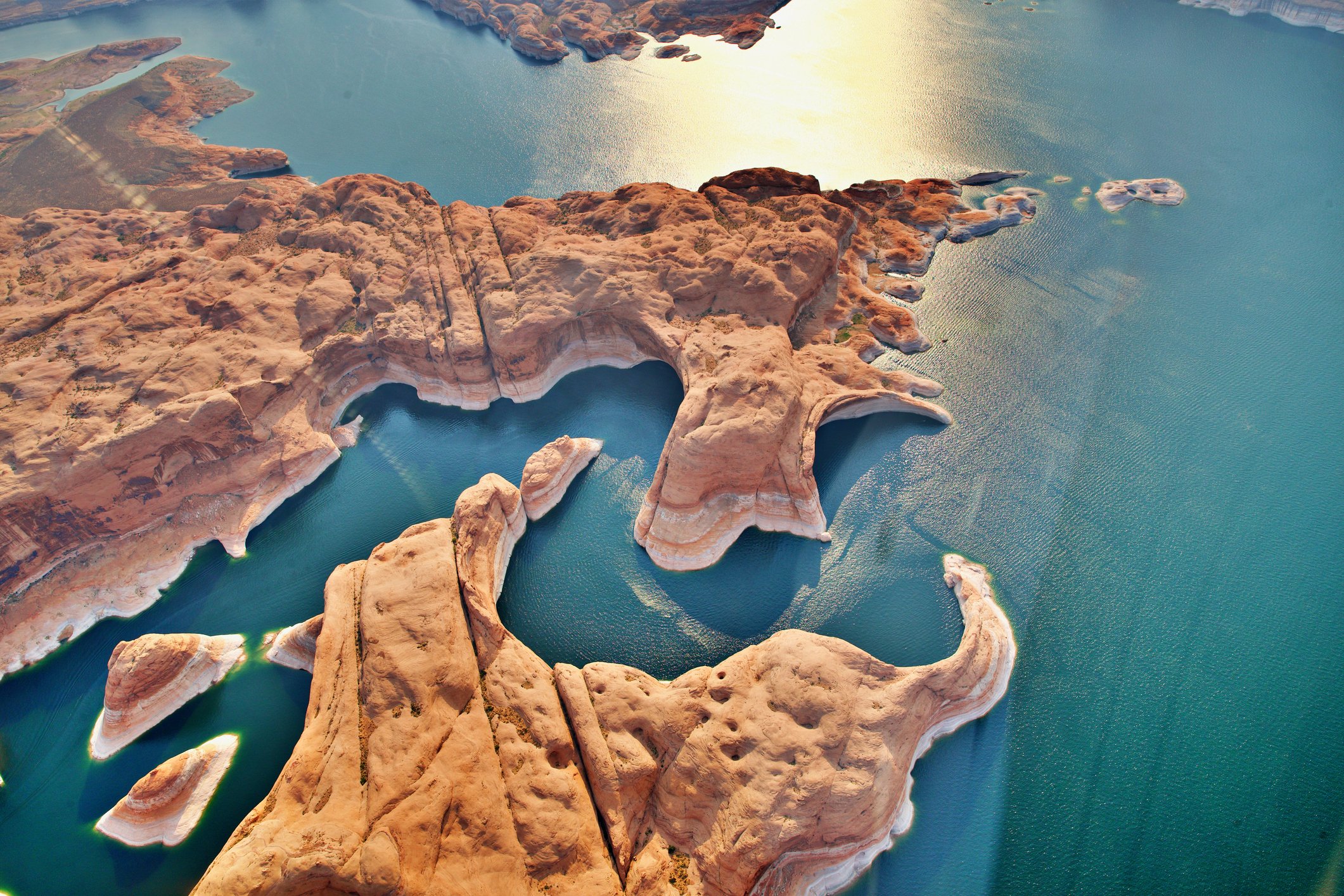
Couple low water availability with soil moisture content levels never seen before and it’s going to be a tough summer. And it won’t be confined to irrigators and municipal providers. Lake Powell, one of the two major regulating reservoirs in the Colorado River, is predicted to drop to 3,490 feet, the minimum power pool, perhaps as early as August. As of today, it’s only 39 feet above that level. It could mean Lake Powell stops generating electricity for five million users. The loss of 1,320 megawatts of generation will further tax the western grid.
Upper Colorado River reservoirs like Blue Mesa and Flaming Gorge can contribute some to Lake Powell, but not enough. Why is this important besides power generation? Lake Powell is the regulating reservoir between the Upper Basin States and the Lower Basin states under the Colorado River Compact. Water use (or non-use) in Arizona and Nevada is directly tied to the level of water in Lake Mead, the other major storage facility on the Colorado River. With Mead at 34% of capacity, additional pain will be felt in Arizona and Nevada.
It’s going to be a challenging summer. Stay tuned.