
Let’s talk economics and pocketbooks. Affordability is on everyone’s mind as inflation and gas prices continue to climb. One in six Americans are behind on one or more of their utility bills. The highest of those bills is electricity. President Trump ran on the promise to lower grocery bills and electric bills “by half” in his first year if elected. It hasn’t happened. Electric bills have risen between 6.4% and 23.1% in the last twelve months depending upon where you live.
Why have electric bills risen higher than inflation? Costs can be traced to a number of factors: 1) The rising costs of infrastructure due to tariffs; 2) the demands of AI and datacenters; and 3) general inflation. But the greatest accelerant on costs is bad policy.
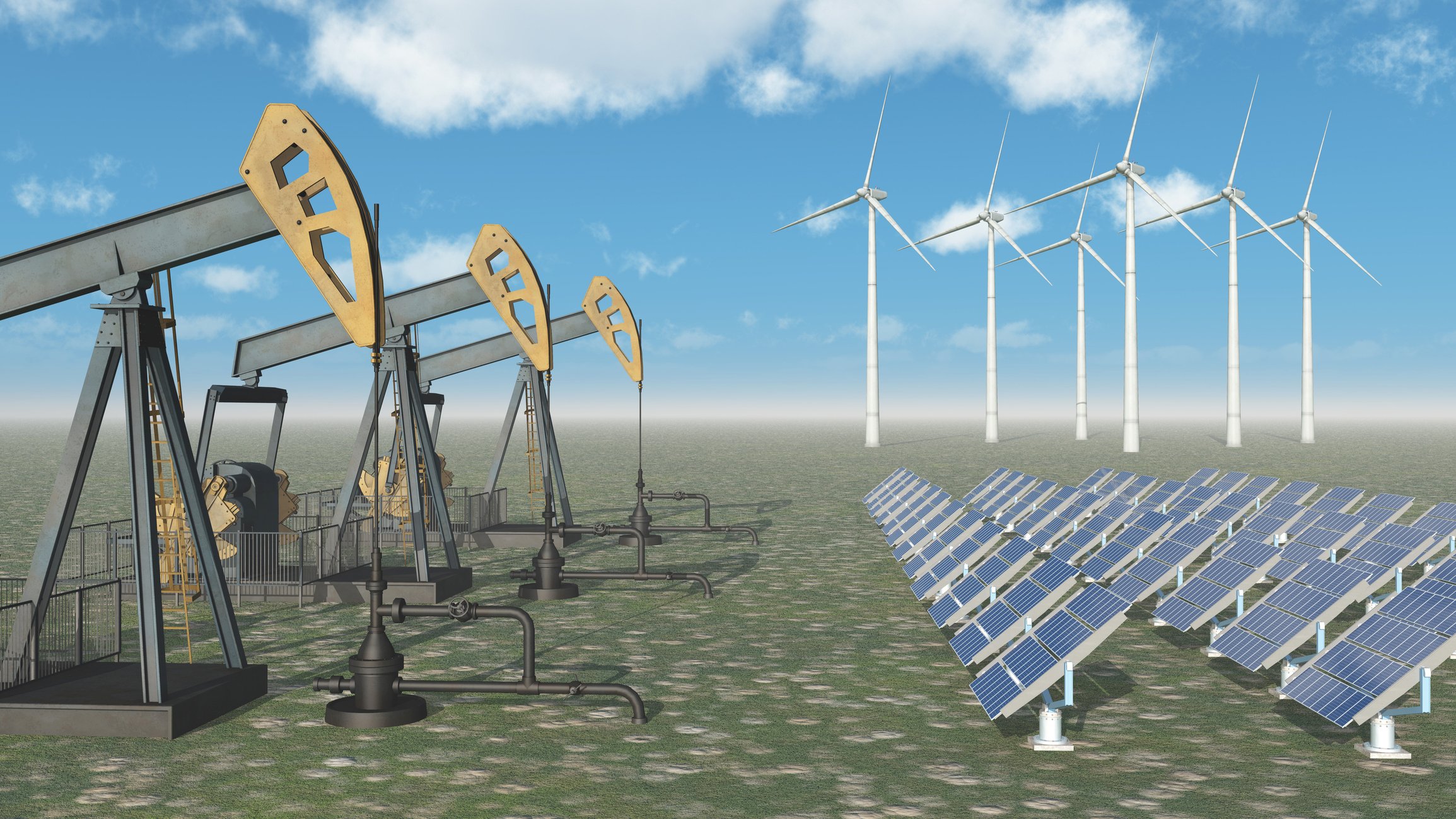
Even without subsidies and tax credits, solar, wind and geothermal are dramatically less expensive than fossil fuels to generate electricity. According to the government’s own figures, verified by industry sources, onshore wind and solar cost roughly $37-$78 per MWh. Contrast that to coal ($70-$170/MWh), natural gas ($50-$100/MWh), and nuclear ($140-$220/MWH). Offshore wind is tagged at $70-$112/MWH.
Because of the economics, utilities and industry have favored a mix of solar and wind with backup high-efficiency (combined-cycle) natural gas. But rather than follow market forces and rational energy policy, we are now faced with a layer of “bad policies” that increase costs.
The current administration’s war against renewables is costing consumers. I’ll give an example. The administration is negotiating an agreement with the French wind production company TotalEnergies which is developing offshore wind. The proposal is to pay TotalEnergies nearly $1 Billion ($928m) to not build the Attentive Energy and Carolina Long Bay wind projects (essentially to compensate for cancelled Interior leases, analogous to condemnation). TotalEnergies then would commit to considering development of natural gas infrastructure in Texas. Think about that, nearly a billion dollars in taxpayer dollars (your money) not to generate electricity, with nothing in return… because of a philosophical grudge.
Beyond government interference in the free market capitalist system, all this does is add in another layer of pain to consumers. But there is one (sort of) bright side of the chaos. America is entering into its fourth week of the Iran War. The war highlights the dangers of a world dependent on fossil fuels. Gas prices are up as much as 14% as a result in portions of Europe. Here in the U.S. the increase is higher, as much as 30% in places ($.90-$1.00/gallon increase). Natural gas prices in Europe have skyrocketed. The only country to have benefited looks to be Russia.
The vulnerability of economies to Middle East disruption will act as a catalyst in the development of renewable energy as countries move to renewable energy as a security imperative. The irony is that the Administration’s war in Iran may well defeat its war on renewable energy sources.